
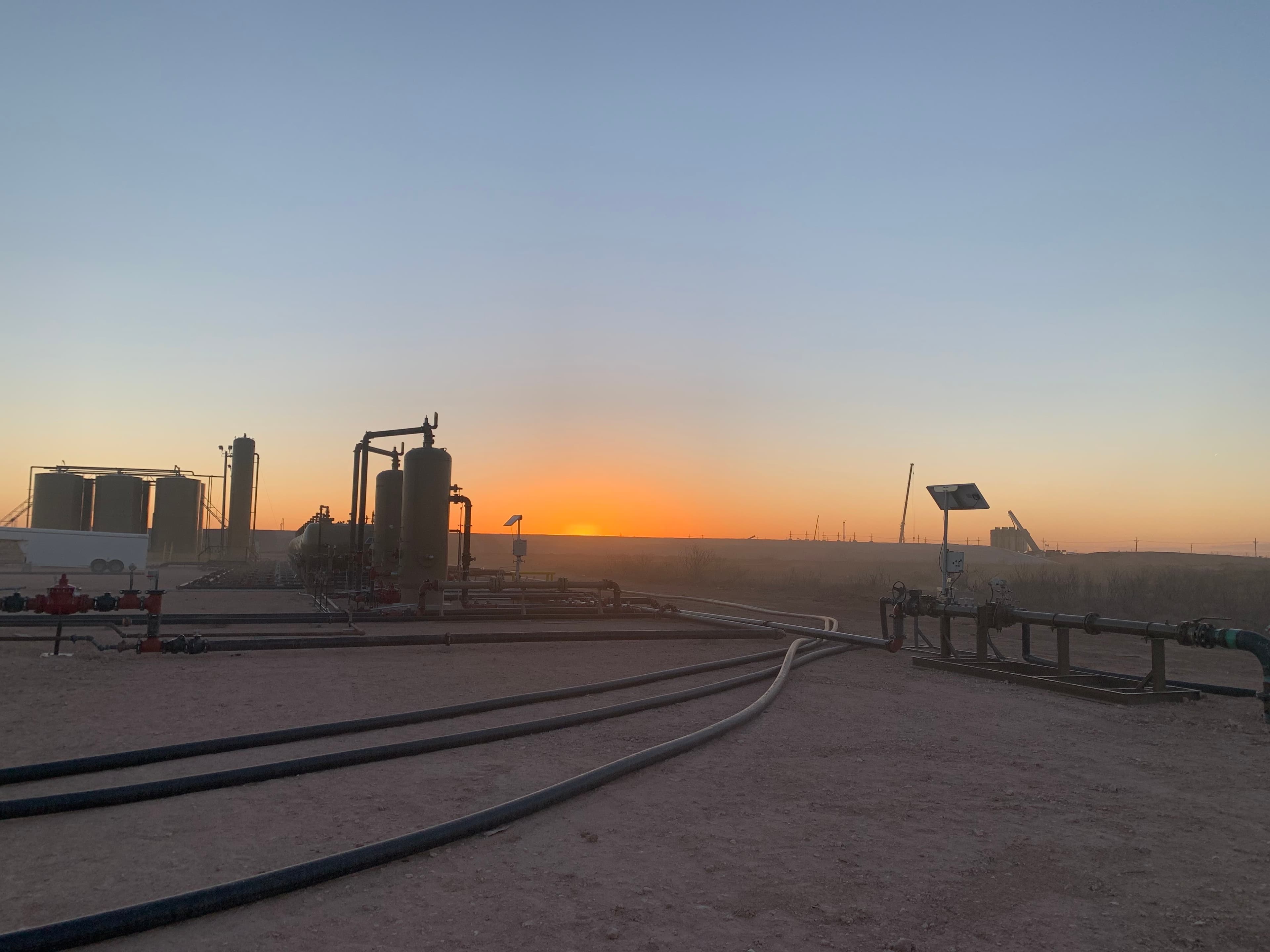
The four dominant seasonal safety concerns in the field are winter cold stress and ice, spring ground instability and access loss, summer heat illness and lightning, and fall hunting season overlap with early freezes. In the Appalachian Basin, each quarter forces crews to change PPE, equipment prep, and work windows to keep mechanical construction, helical pile work, and midstream operations safe.
That is the short version. What follows is the field playbook.
What Are the Biggest Seasonal Safety Concerns in the Field?
Seasonal safety concerns in the field break down into four quarterly threats: cold and ice in winter, unstable ground and lost access in spring, heat and lightning in summer, and hunters plus early freezes in fall. Each demands a different response, and generic safety plans miss all of them.
The Appalachian Basin's 120-Degree Swing
Appalachian field temperatures can swing roughly 120 degrees across the year, from winter lows that may reach 0 or below to summer highs that can approach 95. That range affects hydraulic fluid, battery capacity, worker endurance, and installation readings on helical pile projects. A protocol that works in July is dangerous in January.
The terrain compounds it. Steep hillsides, valley well pads, and remote right-of-way mean weather hits harder and rescue takes longer.
How Seasonal Incidents Hit Cost, Schedule, and Compliance
Seasonal incidents drive project delays, insurance claims, and regulatory scrutiny. OSHA data shows the oil and gas extraction industry logged hundreds of severe injuries requiring hospitalization or amputation over recent years, many tied to weather-linked conditions like falls and equipment failure (CDC/OSHA severe injury study).
Documented seasonal protocols can improve Experience Modification Rates, with some contractors seeing reductions of 15 to 25 percent. And insurance audits and ISNetworld reviews increasingly demand season-specific plans, not generic OSHA boilerplate. Safety and Compliance hub
How Do Crews Stay Safe During Winter Field Operations?
Crews stay safe in winter by recognizing cold stress early, adjusting equipment for the cold, and rebuilding emergency response around long rural response times. OSHA flags cold stress risk at 40 degrees or below when wind is present (OSHA oil and gas hazards).
Cold Stress Recognition and Prevention
According to OSHA and medical guidance, frostbite can set in within 30 minutes at 0 degrees with a 15 mph wind. Crews need warming breaks, worker rotation, and supervisors trained to spot slurred speech, clumsiness, and shivering that stops. Ice on walkways, platforms, and compressor station access points turns a routine step into a fall hazard.
Frozen Ground and Helical Pile Torque
Frozen ground changes helical pile installation. A frozen surface crust and frost penetration inflate torque readings, producing misleading capacity numbers if crews trust them. Experienced crews drill through the frozen crust carefully and confirm final torque in stable ground below the frost line rather than forcing a reading. Helical Pile Installation
Equipment takes a hit too. Hydraulic fluid viscosity can roughly double or more at 0 degrees versus 70, depending on the fluid grade, batteries lose capacity, and metal becomes brittle.
Reduced Daylight and Rural Emergency Response
Winter daylight drops to roughly 9 hours at the solstice, raising vehicle and pedestrian risk on and around the pad. Ambulance response stretches long on snow-covered secondary roads, so heated shelters and detailed emergency planning stop being optional. Mechanical Construction
What Spring Hazards Threaten Appalachian Job Sites?
Spring hazards center on freeze-thaw ground instability, flash flooding, and posted road restrictions that disrupt mobilization. Melting frost and saturated soil undermine the ground crews stand on and stage equipment on.
Freeze-Thaw Ground Instability and Slope Work
Freeze-thaw cycles destabilize hillside job sites. Slope failures across West Virginia rise sharply during spring thaw, complicating pile work and equipment positioning on grade. Crews reassess soil conditions before staging cranes or drill rigs on questionable ground.
Spring rainfall intensifies flash flood risk at valley well pads and creek crossings. Erosion and sediment control obligations intensify during runoff.
Flash Flooding and Seasonal Road Restrictions
PennDOT posts seasonal weight restrictions on secondary roads during March and April as freeze-thaw weakens road bases. Heavy equipment and material deliveries may need rerouting or permits, throwing off mobilization schedules.
Spring also brings early tick and insect emergence, which adds tick-borne illness prevention to the daily plan. And equipment decontamination during mud season limits invasive species spread and keeps machines serviceable.
How Do You Prevent Heat Illness and Lightning Strikes in Summer?
You prevent heat illness with cooling, hydration, and acclimatization, and you manage lightning with the 30/30 rule. OSHA heat illness prevention triggers at 80 degrees, and Appalachian summers often peak between 85 and 95 degrees with humidity frequently above 70 percent, pushing the heat index dangerously high during turnarounds and confined space entry.
Heat Stress During Turnarounds and Confined Space Entry
Cooling stations, hydration protocols, and acclimatization schedules for new crews cut incident risk. Confined space work traps heat, so entry planning has to account for internal temperature, not just what the thermometer reads outside.
New workers face the highest risk in the first days on the job. Acclimatization schedules ramp exposure gradually instead of dropping a fresh crew into a full shift in August.
The 30/30 Lightning Rule and Storm Response
Thunderstorms are common across the region during summer months. The 30/30 rule governs elevated work. Stop when thunder follows a flash within 30 seconds, meaning the strike is roughly 6 miles out. Resume only 30 minutes after the last thunder.
Longer daylight tempts extended shifts, so fatigue management matters. So does awareness of snakes, stinging insects, and poison ivy on overgrown right-of-way.
Why Does Fall Require Extra Precautions in the Field?
Fall requires extra precautions because over a million hunters take to the woods across Pennsylvania, West Virginia, and Ohio during deer season, right alongside rural work sites, while daylight shrinks and early freezes catch crews unprepared. Firearms deer seasons put armed activity right against active pads and right-of-way.
Hunting Season Overlap and High-Visibility Controls
Rural sites need enhanced high-visibility PPE, tightened access controls, and direct coordination with landowners to manage stray bullet risk. Some operators schedule sensitive outdoor work around peak firearms weeks. Blaze orange over FR clothing is a common fall standard.
Early Freezes and Leaf-Covered Hazards
Daylight shortens again, which forces a crew adjustment period and revised low-light protocols. Early freeze events catch crews with un-winterized equipment, and compressed pre-winter maintenance windows raise schedule pressure.
Leaf accumulation hides ground hazards, road edges, and trip risks along access routes and pads. What looks like solid ground under leaves may be a rut or a drop.
What Equipment, PPE, and Weather Protocols Should Contractors Have?
Contractors need season-matched PPE, defined weather stoppage thresholds, and documentation that satisfies regulators. The gear and the paperwork both change with the calendar.
Seasonal PPE and Equipment Adaptations
Winter PPE covers insulated FR clothing, layering, cold-rated gloves that preserve enough dexterity for pipe fitting, hand warmers, and heated shelters. Cold gloves can reduce dexterity by 20 to 40 percent or more, so glove selection is a real safety decision.
Summer PPE covers cooling vests, moisture-wicking base layers, expanded water supply, and electrolyte replacement. Seasonal hydraulic fluids and battery maintenance schedules keep pile drivers and cranes reliable across the temperature swing.
Weather Monitoring and Work Stoppage Thresholds
| Condition | Threshold | Action |
|---|---|---|
| Heat index | Near 103 for acclimatized workers | Mandatory rest, cooling, hydration |
| Sustained wind | 20+ mph (per ASME B30.5) | Crane shutdown |
| Lightning | Within 6 miles / 30 seconds | Clear elevated positions |
| Wind chill | Near 0 with wind | Warming rotation, possible suspension |
Define who makes the stoppage call, how crews get notified, and how each stoppage is logged. A threshold nobody enforces is not a protocol.
Seasonal Regulatory Requirements
State environmental agencies shift stormwater inspection frequency and site stabilization timelines by season. PHMSA maintenance windows shape midstream scheduling (PHMSA). Contractor Qualification and Emergency Response
How ShalePro Delivers Year-Round Field Safety
ShalePro builds seasonal safety planning into project kickoff across every service line. That means real adaptations, not a binder on a shelf.
Field-Tested Seasonal Protocols Across Every Service Line
Heated welding tents keep winter pipe fabrication on spec. Lightning detection systems deploy at job sites May through September. Cold-weather hydraulic fluids keep pile driving reliable when temperatures crash. A crew training calendar aligns to the hazard curve, with heat stress refreshers in May and cold stress training in October.
ShalePro Energy Services is an oil and gas field services company serving the Appalachian Basin from Houston, Pennsylvania, specializing in mechanical construction, pipe fabrication, helical pile installation, and midstream operations and maintenance.
What Operators Should Expect Before Mobilization
Operators should expect pre-mobilization seasonal plans, winterization and summer prep documentation, seasonal JSA libraries, and crew training records specific to Appalachian conditions. ShalePro coordinates with operator safety teams and reviews incidents by season to refine protocols.
Managing seasonal safety concerns in the field is a partnership, not a checklist.
Contact ShalePro to discuss seasonal safety requirements for your upcoming project.
Frequently Asked Questions
At what temperature should outdoor field work stop for cold stress?
OSHA identifies cold stress risk at 40 degrees or below when wind is present. Field crews rarely stop entirely, but they add warming breaks, monitor for frostbite, and rotate workers more often below freezing. Sustained conditions near 0 degrees with wind may trigger a full work suspension.
Does frozen ground change helical pile installation results?
Yes. Frost penetration and frozen surface layers alter torque readings during installation, which can produce misleading capacity numbers. Experienced crews account for frost depth, drill through the frozen crust carefully, and confirm final torque in stable ground below the frost line rather than trusting inflated near-surface values.
What is the 30/30 rule for lightning safety on a job site?
Stop work when thunder is heard within 30 seconds of a lightning flash, which means the strike is roughly 6 miles away. Resume work only 30 minutes after the last thunder or flash. Elevated work on tanks, towers, and derricks demands the strictest enforcement of the rule.
How do hunting seasons affect oil and gas construction schedules?
Firearms deer seasons across Pennsylvania, West Virginia, and Ohio put hunters near rural work sites in fall. Crews add high-visibility clothing, tighten site access, and coordinate with landowners. Some operators schedule sensitive outdoor work around peak firearms weeks to reduce stray bullet exposure.
What seasonal documentation do insurance and ISNetworld audits expect?
Auditors increasingly want season-specific safety plans, equipment winterization and summer prep records, seasonal JSAs, weather stoppage logs, and crew training documentation. Contractors who maintain these records often see Experience Modification Rate improvements, sometimes in the range of 15 to 25 percent, and clear ISNetworld reviews faster.
How do PennDOT weight restrictions impact spring mobilization?
PennDOT posts seasonal weight limits on secondary roads during March and April as freeze-thaw weakens road bases. Heavy equipment and material deliveries may need rerouting, permits, or schedule shifts. Planning mobilization around posted restrictions prevents fines and avoids damaging access routes to well pads.
Conclusion
Seasonal safety concerns in the field are predictable, and predictable risks are manageable. Winter demands cold stress control and frost-adjusted pile work. Spring brings unstable ground and posted roads. Summer runs on hydration and the 30/30 rule. Fall means blaze orange and early winterization.
The contractors who plan by season protect their crews, hold their schedules, and pass their audits. Ready to build a seasonal safety plan for your Appalachian project? Contact ShalePro to get started.
Sources
Oil and Gas Extraction. Hazards | OSHA
Severe Work-Related Injuries in the Oil and Gas Extraction Industry, 2015-2022 | CDC
Oil and Gas Extraction. Overview | OSHA
Pennsylvania Department of Environmental Protection
PHMSA. Pipeline and Hazardous Materials Safety Administration